BPC-157 Benefits & Research: What Science Says About This Peptide
BPC-157 benefits: BPC-157 research has become one of the most researched peptides in the wellness and recovery space. Short for Body Protection Compound-157, this synthetic peptide is derived from a protein found in gastric juice and has been the subject of numerous preclinical studies exploring its potential effects on tissue healing, inflammation, and overall recovery.
In this guide, we break down what BPC-157 is, what the current research suggests, and why it has attracted significant interest in the research community.
What Is BPC-157?
BPC-157 is a pentadecapeptide composed of 15 amino acids. It is a partial sequence of body protection compound (BPC) that is discovered in and isolated from human gastric juice. It is entirely synthetic, meaning it does not occur naturally at these concentrations in the body.
BPC-157 is classified as a research peptide, meaning it is intended for laboratory research use only. It is not FDA-approved for human use, and all studies to date have been conducted in preclinical settings.
What Does the Research Show?
The bulk of BPC-157 benefits and research has been conducted in rodent models. Here is a summary of the major areas studied:
1. Tendon and Muscle Healing
Multiple studies have examined BPC-157’s effect on tendon-to-bone healing. Research published in the Journal of Orthopaedic Research found that BPC-157 accelerated the healing of transected rat Achilles tendons compared to controls. The peptide appears to upregulate growth hormone receptors and promote angiogenesis (formation of new blood vessels), which are both critical to tissue repair.
2. Gut and GI Tract Health
Given that BPC-157 is derived from a gastric protein, it is not surprising that several studies have focused on gastrointestinal applications. Research has shown promising results in models of inflammatory bowel disease, stomach ulcers, and intestinal anastomosis healing. Some researchers have suggested it may help modulate gut-brain axis signaling, though this area requires further investigation of BPC-157 Benefits.
3. Anti-Inflammatory Properties
BPC-157 has demonstrated anti-inflammatory activity in several animal models. It appears to interact with the nitric oxide (NO) system, which plays a central role in vascular tone, inflammation, and tissue repair. This mechanism may partially explain the broad range of healing effects observed across different tissue types.
4. Neurological and CNS Research
Emerging preclinical research has investigated potential BPC-157 benefits with neuroprotective effects. Animal studies have explored its influence on dopamine and serotonin systems, and some data suggests possible applications in models of traumatic brain injury and neuroinflammation. This is among the more preliminary areas of BPC-157 research.
BPC-157 Research Summary: Key Findings
- Studied extensively in rodent models for tissue repair and healing
- May promote angiogenesis (new blood vessel formation)
- Appears to interact with the nitric oxide (NO) signaling pathway
- Has been studied in GI, musculoskeletal, and neurological research contexts
- Generally well-tolerated in animal studies with no reported serious adverse effects at research doses
- No human clinical trials have been completed to date
How Is BPC-157 Used in Research?
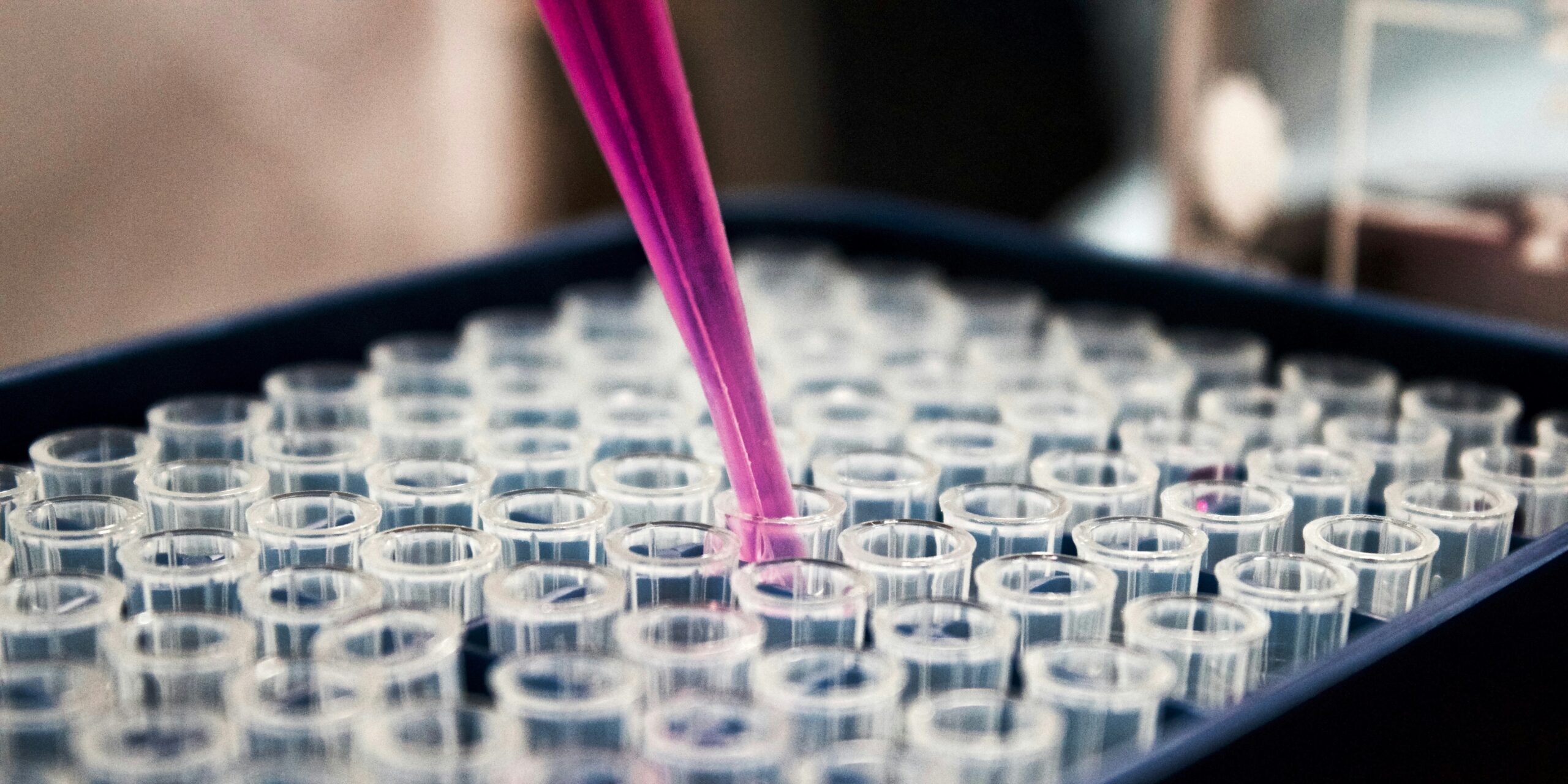
In preclinical studies, BPC-157 has been administered via subcutaneous injection, intramuscular injection, and oral gavage. Research protocols vary depending on the model and the tissue or system being studied. It is important to note that all usage of BPC-157 referenced here is strictly in research contexts.
Kinetic Peptides supplies BPC-157 strictly for laboratory and research purposes. Our peptides are intended for use by licensed researchers and are not for human consumption.
Why Researchers Are Interested in BPC-157
The breadth of systems BPC-157 appears to influence in preclinical models is part of what makes it such an interesting research compound. Unlike more targeted peptides, BPC-157 seems to have systemic effects that touch multiple biological pathways—particularly those involved in repair, recovery, and homeostasis.
The relative safety profile observed in animal studies, combined with the diversity of potential applications, has led to growing interest among researchers studying musculoskeletal injuries, gastrointestinal disorders, and inflammatory conditions.
Research Use Disclaimer: BPC-157 sold by Kinetic Peptides is intended for laboratory research purposes only. It is not intended for human consumption, veterinary use, or any use outside of controlled research settings. BPC-157 has not been evaluated by the FDA and is not approved to diagnose, treat, cure, or prevent any disease or condition.
Shop BPC-157 at Kinetic Peptides
Looking for high-purity BPC-157 for your research? Kinetic Peptides offers rigorously tested research-grade peptides with certificates of analysis (COAs) available for every batch. Explore our BPC-157 product page to learn more about purity, storage, and ordering.